Breaking
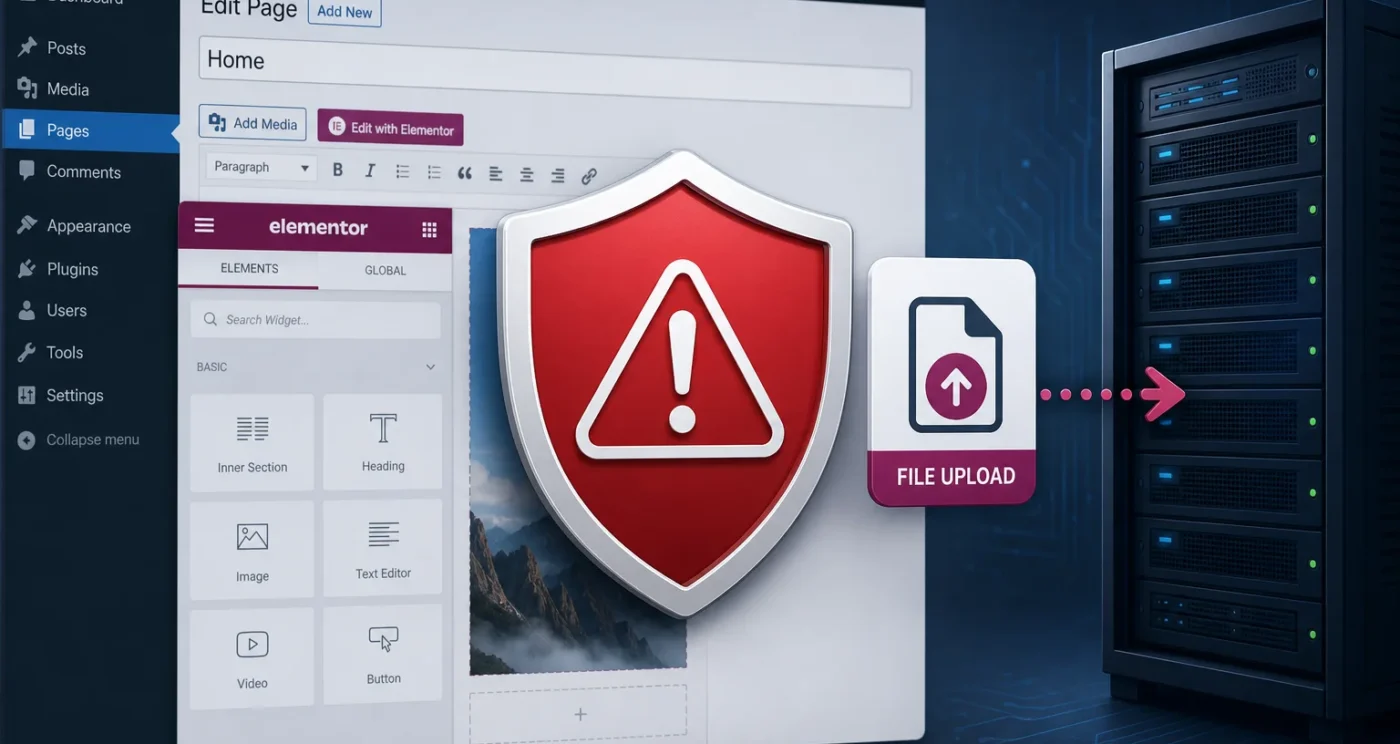
Reported Elementor Pro Flaw Could Enable Remote Code Execution Ransom Busters recovery offers linked to suspected ransomware affiliate, GRIT says Report Says Huntress Observed a 155-Fold Password-Spraying Spike NVIDIA Nemotron 3.5 Lightning Turns a Sparse Agent Model into a SageMaker JumpStart Catalog Item What Is AI Agent Security? How Autonomous AI Changes the Attack Surface AI Agent for Cyber Security: What It Does, Where It Fails, and How to Deploy One Safely Reported Elementor Pro Flaw Could Enable Remote Code Execution Ransom Busters recovery offers linked to suspected ransomware affiliate, GRIT says Report Says Huntress Observed a 155-Fold Password-Spraying Spike NVIDIA Nemotron 3.5 Lightning Turns a Sparse Agent Model into a SageMaker JumpStart Catalog Item What Is AI Agent Security? How Autonomous AI Changes the Attack Surface AI Agent for Cyber Security: What It Does, Where It Fails, and How to Deploy One Safely
The Forge · Saturday, August 22, 2026

Latest from the Forge

view all →
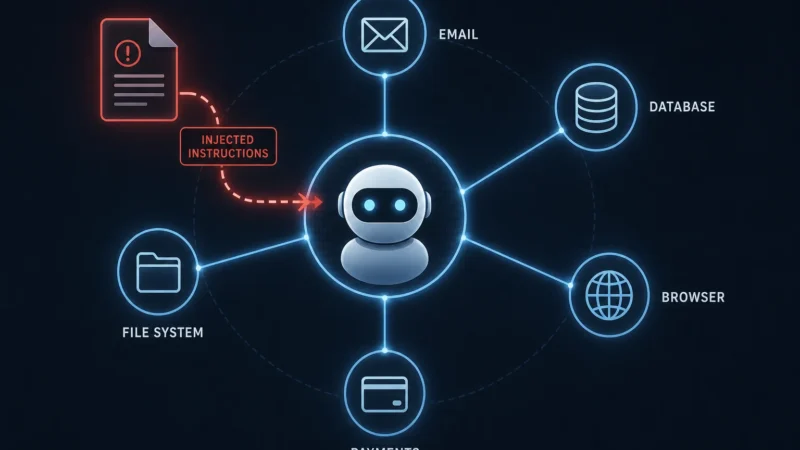
Editorial illustration for What Is AI Agent Security? How Autonomous AI Changes the Attack Surface
Open Source

What Is AI Agent Security? How Autonomous AI Changes the Attack Surface

AI agent security is not chatbot safety. Once a language model gains tools, memory, credentials, and the authority to act, it becomes a non-human identity with real reach into your systems. This explainer defines the discipline, maps the threat classes, explains why conventional controls are necessary but not sufficient, and gives a practical control checklist covering identity, permissions, approval gates, isolation, validation, logging, and testing.

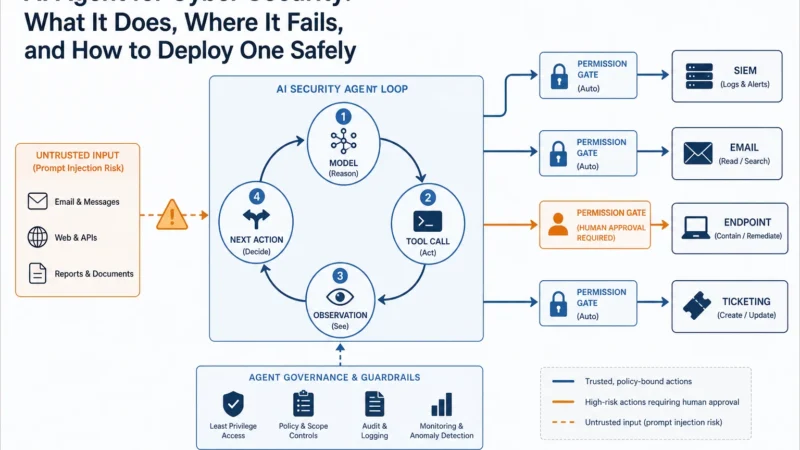
Editorial illustration for AI Agent for Cyber Security: What It Does, Where It Fails, and How to Deploy One Safely
Open Source

AI Agent for Cyber Security: What It Does, Where It Fails, and How to Deploy One Safely

An AI agent for cyber security is not a chatbot with a security skin. In the sense used across most current security tooling, it is a language model wired to tools, memory, and an orchestration loop that selects its own next step within limits a human sets. This explainer breaks the agent into its component layers, maps the defensive tasks it is being pointed at, examines how the same architecture serves attackers, details the new attack surface the agent itself creates, and closes with an…

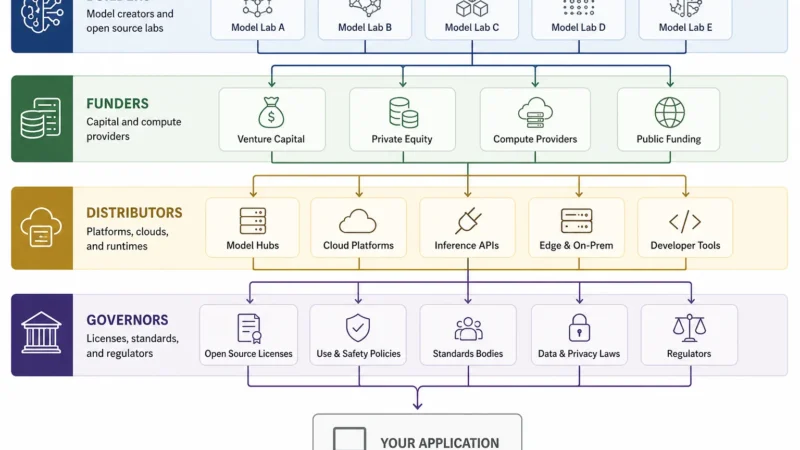
Editorial illustration for The Open-Weight LLM Power Map: Who Builds, Funds and Controls the Leading Models
Open Source

The Open-Weight LLM Power Map: Who Builds, Funds and Controls the Leading Models

Leaderboards change monthly; ownership does not. This news analysis reframes the "best open source LLM" question around institutional control — who develops the leading model families, who pays for the compute, which hubs and clouds sit between a weight file and a working product, and who retains the power to restrict access after release. It closes with a five-point dependency checklist teams can apply before committing to a model, and an FAQ covering licensing, lock-in and relicensing risk.

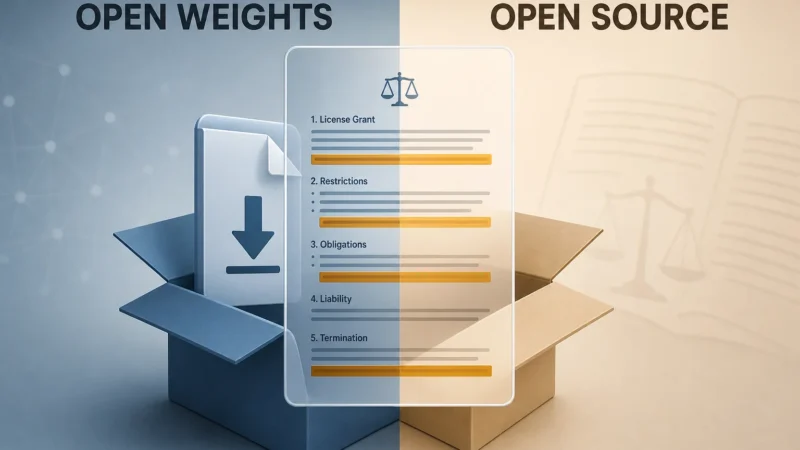
Editorial illustration for Open Source LLM or Just Open Weights? Check the License Before You Deploy
Open Source

Open Source LLM or Just Open Weights? Check the License Before You Deploy

Models marketed as the "best open source LLM" often arrive with terms that restrict who may use them, at what scale, and for what purpose. This explainer separates open source from open weights and open access, maps the license families you will meet in real releases, walks through seven clause types that can limit deployment, and gives you a six-step predeployment license screen you can run on any new model before it reaches production.

Editorial illustration for Best Open Source LLM by Task: The Test Protocol for Coding, Research, Writing, and Reasoning
Open Source

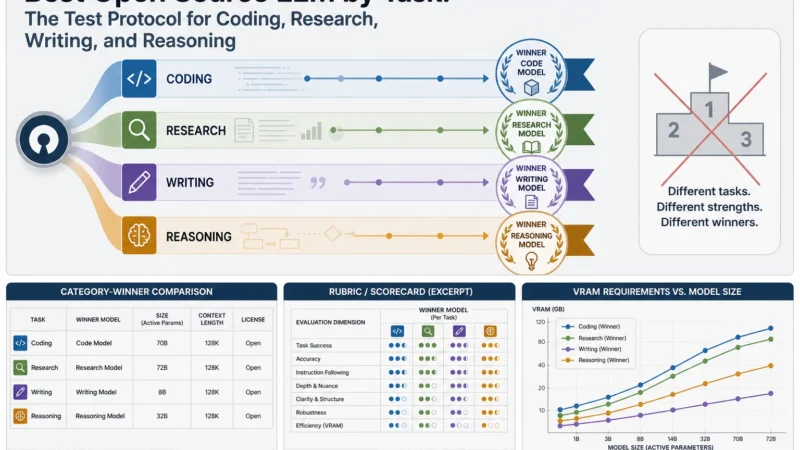
Best Open Source LLM by Task: The Test Protocol for Coding, Research, Writing, and Reasoning

This is an unscored test protocol, not a verdict: no round has been run, so no model is named the best open source LLM here. What the article does give you is a method you can run this week — why aggregate leaderboards mislead, how open weights differ from open source under the OSI's definition, and the full mechanics for coding, research, writing, and reasoning: prompt counts, repetitions, rubric scales, reviewer counts, tie rules, and the run conditions every result must carry.

Editorial illustration for Can the Best Open Source LLM Run on a Normal Computer? Our Test Protocol, Published Before the Results
Open Source

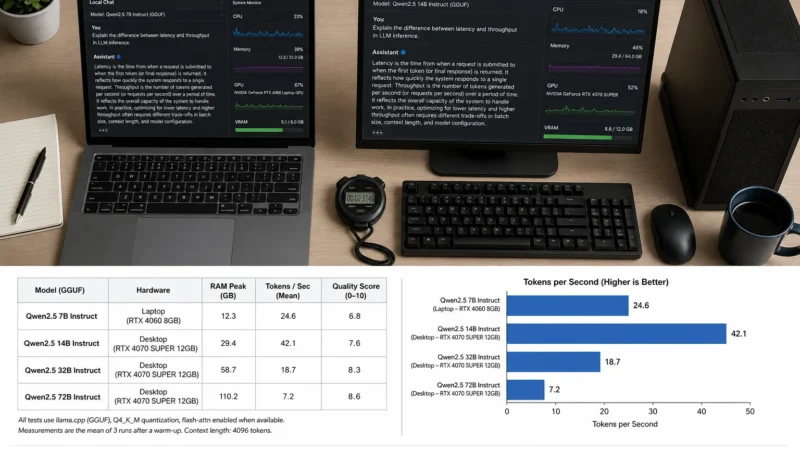
Can the Best Open Source LLM Run on a Normal Computer? Our Test Protocol, Published Before the Results

NewsForge is testing whether the leading open-weights language models are usable on ordinary consumer hardware — a 16GB Apple silicon MacBook, a mid-range Windows laptop, an 8GB floor case, and a desktop with an 8–12GB consumer GPU. This article publishes the full protocol in advance: test rigs, runner and build identifiers, the five everyday tasks, sampling and run rules, the numeric scoring rubric, and the hypotheses the measurements will confirm or refute. The measurements themselves are…

Browse by topic